
The allure of the stock market lies in its potential to generate wealth. But for many investors, a steady stream of income is equally important. This is where dividend stocks come in. These are shares of companies that distribute a portion of their profits to shareholders on a regular basis. Owning dividend stocks can be a powerful tool for building a reliable income stream and achieving your financial goals. Why Invest in Dividend Stocks? There are several compelling reasons to consider incorporating dividend stocks into your investment portfolio: Passive Income: Dividend payments provide a regular cash flow that you can use to supplement your income, reinvest for future growth, or save for retirement. This can be particularly beneficial for those nearing retirement or seeking additional income to cover living expenses. Compounding Growth: When you reinvest your dividends to purchase additional shares (often facilitated by Dividend Reinvestment Plans or DRIPs), you benefit from compounding. Over time, your reinvested dividends can grow significantly, accelerating your portfolio’s growth. Portfolio Stability: Dividend-paying companies tend to be well-established, profitable businesses with a history of weathering market downturns. This can add a layer of stability to your portfolio, particularly during volatile periods. Potential for Stock Appreciation: While dividend growth is a key focus, many dividend-paying companies also experience stock price appreciation over time. This can lead to significant overall returns on your investment. Choosing the Right Dividend Stocks: Not All Are Created Equal Selecting the right dividend stocks requires careful consideration. Here are some key factors to keep in mind: Dividend Yield: This is the annual dividend payment per share divided by the current stock price. While a high yield can be attractive, prioritize companies with a history of maintaining or increasing their dividends. A consistently rising dividend indicates a company’s financial health and commitment to rewarding shareholders. Financial Strength: Focus on companies with a solid track record of profitability, a strong balance sheet, and manageable debt levels. This ensures the sustainability of their dividend payments over the long term. Industry and Company Growth: Look for companies with good growth prospects in healthy industries. This not only helps sustain dividend payouts but also increases the potential for stock price appreciation. Consider companies that reinvest a portion of their profits back into the business for future expansion. Payout Ratio: This ratio indicates the percentage of a company’s earnings that are paid out as dividends. A high payout ratio might suggest the company has limited room for future dividend growth. A healthy balance is ideal. Beyond the Basics: Considerations for Savvy Dividend Investors Don’t Chase High Yields: Extremely high dividend yields can be a red flag, potentially indicating a struggling company trying to attract investors through unsustainable payouts. Tax Implications: Research the tax implications of dividend income. Dividends may be taxed differently than capital gains. Reinvesting Dividends: As mentioned earlier, consider reinvesting your dividends to accelerate your portfolio’s growth through compounding. Diversification: Don’t put all your eggs in one basket. Spread your investments across various sectors and companies to mitigate risk and ensure a consistent income stream. Building a Sustainable Income Stream Through Dividend Investing Investing in dividend stocks can be a powerful strategy for generating income and building long-term wealth. By carefully selecting companies with a history of strong financials, sustainable dividend payouts, and potential for growth, you can create a reliable income stream that complements your overall financial goals. Remember, thorough research and a well-diversified portfolio are key to success in dividend investing.
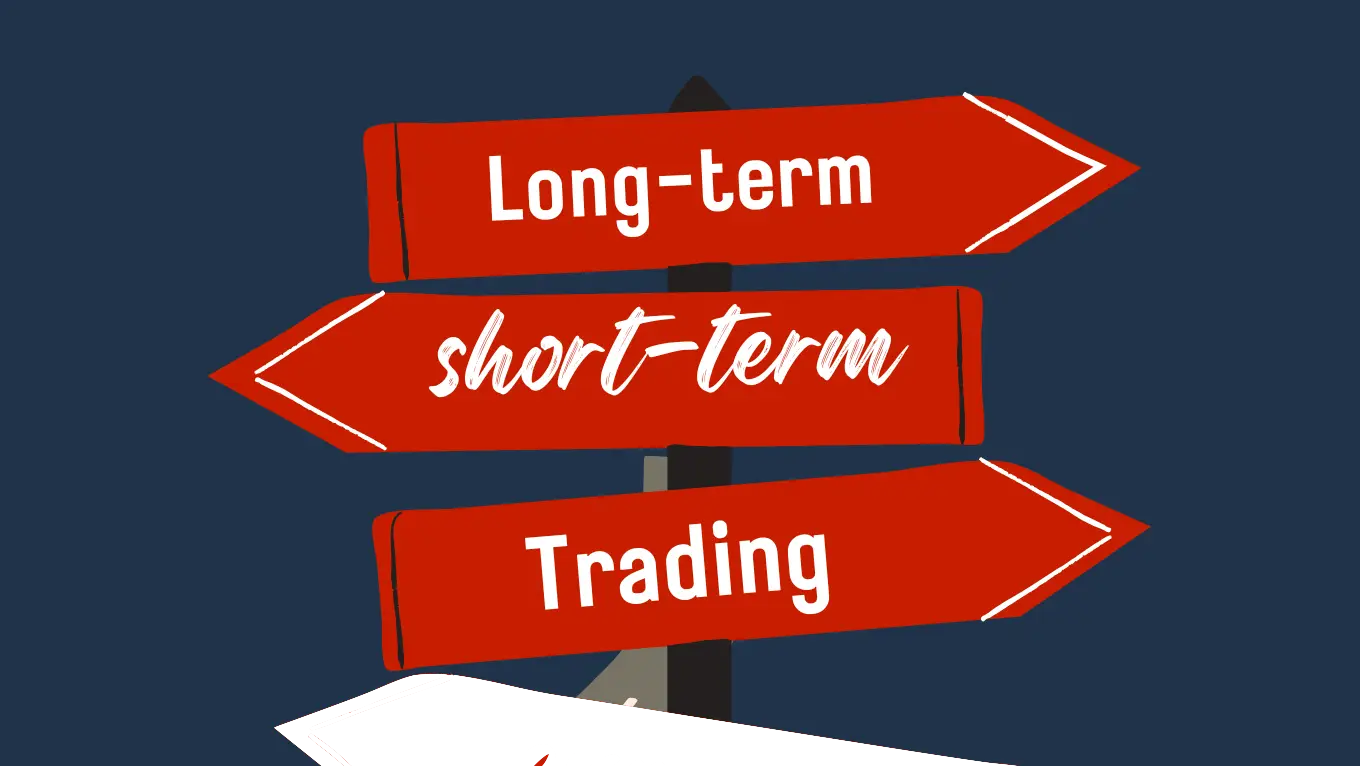
Long-Term vs. Short-Term Trading
Introduction Investing in the stock market can be approached in various ways, with two of the most common strategies being long-term and short-term trading. Each strategy has its own set of advantages, risks, and techniques. This article will explore the key differences between long-term and short-term trading strategies, helping you determine which approach might be best suited for your financial goals and risk tolerance. Long-Term Trading Strategies Definition Long-term trading, often referred to as buy-and-hold investing, involves purchasing stocks or other securities with the intention of holding them for an extended period, typically several years or even decades. The goal is to benefit from the long-term appreciation of the assets. Key Characteristics Time Horizon: Investments are held for a long duration, often exceeding five years. Focus on Fundamentals: Investors rely on fundamental analysis, considering factors like company earnings, revenue growth, and economic trends. Lower Trading Frequency: Fewer transactions result in lower trading costs and less tax impact due to long-term capital gains tax advantages. Advantages Compound Growth: Allows for the power of compounding, which can significantly increase returns over time. Lower Costs: Reduced trading fees and commissions due to infrequent transactions. Tax Efficiency: Long-term capital gains are usually taxed at a lower rate compared to short-term gains. Reduced Stress: Less time spent monitoring the market and making trading decisions. Disadvantages Patience Required: Long-term investing requires patience and the ability to endure market fluctuations. Opportunity Cost: Funds tied up in long-term investments may miss out on other opportunities. Market Risks: Long-term investors are still exposed to market risks and potential economic downturns. Popular Long-Term Strategies Value Investing: Seeking undervalued stocks with strong fundamentals. Notable proponents include Warren Buffett and Benjamin Graham. Growth Investing: Investing in companies with high growth potential, even if they are currently overvalued. Dividend Investing: Focusing on companies that pay regular dividends, providing a steady income stream. Short-Term Trading Strategies Definition Short-term trading involves buying and selling securities over a short period, ranging from seconds to several months. The aim is to capitalize on short-term price movements. Key Characteristics Time Horizon: Trades are held for short durations, from intraday to a few months. Technical Analysis: Traders often rely on technical analysis, using charts and indicators to identify trading opportunities. Higher Trading Frequency: Frequent trades lead to higher transaction costs and a greater tax impact due to short-term capital gains taxes. Advantages Quick Profits: Potential to realize profits quickly by capitalizing on short-term price movements. Flexibility: Ability to adapt to changing market conditions and seize opportunities as they arise. Diverse Strategies: A wide range of strategies can be employed, such as day trading, swing trading, and scalping. Disadvantages Higher Costs: Increased trading fees and commissions due to frequent transactions. Tax Implications: Short-term gains are typically taxed at higher ordinary income tax rates. Increased Risk: Short-term trades can be more volatile and riskier, requiring constant attention and quick decision-making. Stress and Time-Consuming: Short-term trading demands continuous market monitoring and can be stressful. Popular Short-Term Strategies Day Trading: Buying and selling securities within the same trading day, avoiding overnight risk. Swing Trading: Holding positions for several days to weeks, capturing short- to medium-term trends. Scalping: Making numerous small trades throughout the day to profit from tiny price movements. Comparing Long-Term and Short-Term Strategies Feature Long-Term Trading Short-Term Trading Time Horizon Several years to decades Seconds to several months Analysis Type Fundamental analysis Technical analysis Trading Frequency Low High Costs Lower trading fees and taxes Higher trading fees and taxes Risk Level Lower, but exposed to long-term market risks Higher, due to market volatility Stress Level Lower Higher Conclusion Both long-term and short-term trading strategies offer unique advantages and come with their own set of challenges. Long-term trading is generally more suited for investors looking for steady growth, lower costs, and less stress, making it ideal for those who can be patient and ride out market fluctuations. Short-term trading, on the other hand, is tailored for those seeking quick profits, flexibility, and the ability to capitalize on short-term market movements, though it requires a higher risk tolerance, more time, and constant attention. Ultimately, the best strategy depends on your financial goals, risk tolerance, time commitment, and investing experience. Many investors find a balanced approach, incorporating elements of both strategies, to be an effective way to achieve their financial objectives.

Psychology and Trading
The allure of the financial markets lies in the potential for significant rewards. However, for aspiring and seasoned traders alike, the path to success is paved with more than just sound analysis and technical expertise. The human mind, with its inherent biases and emotional tendencies, can be a trader’s greatest ally or worst enemy. This essay delves into the psychology of trading, exploring common cognitive biases, emotional pitfalls, and strategies for developing a winning trading mindset. The Mind’s Labyrinth: Unveiling Common Cognitive Biases Cognitive biases are systematic errors in thinking that can distort our judgment and lead to poor decision-making. In the fast-paced world of trading, these biases can have a significant impact on our performance. Let’s explore some of the most common culprits: Confirmation Bias: This bias leads us to seek out information that confirms our existing beliefs and disregard contradictory evidence. A trader convinced a stock will rise might focus solely on positive news articles while ignoring bearish signals. Overconfidence Bias: We often overestimate our abilities and knowledge. A trader experiencing a winning streak might become overly confident in their trading decisions, neglecting risk management principles. Anchoring Bias: We tend to rely too heavily on the first piece of information we receive. A trader anchored to a stock’s initial purchase price might hold onto a losing position for too long, hoping for a rebound. Loss Aversion: The pain of losing feels more intense than the pleasure of winning. This can lead to risk-averse behavior, missing out on profitable opportunities, or exiting winning positions prematurely to avoid potential losses. Hindsight Bias: We tend to believe events were predictable in hindsight, overlooking the inherent uncertainty at the time. A trader experiencing losses might dwell on “what could have been” rather than focusing on future strategies. The Emotional Rollercoaster: Recognizing and Managing Trading Emotions Trading is an emotionally charged activity. Fear, greed, and excitement can cloud our judgment and lead to impulsive decisions. Here’s how emotions can manifest in trading, and how to manage them: Fear: Fear of losing can lead to selling winning positions too early or exiting trades prematurely to avoid potential losses. Recognizing fear and developing a solid risk management plan can help mitigate its impact. Greed: The desire for outsized returns can lead to overtrading, chasing after unrealistic profits, or holding onto losing positions hoping for a turnaround. Defining clear trading goals and adhering to a disciplined approach can help curb greed. Excitement: The thrill of a winning trade can lead to overconfidence and risky behavior. Maintaining a composed mindset and sticking to your trading plan is crucial during winning streaks. Common Pitfalls: Learning from Others’ Mistakes Understanding common trading mistakes can help us avoid them ourselves. Here are some pitfalls to watch out for: Revenge Trading: This is an emotionally driven attempt to recoup losses immediately after a losing trade. It often leads to further losses as it prioritizes emotions over sound strategy. Overtrading: Trading too frequently without a clear plan can lead to high transaction costs and missed opportunities. Develop a well-defined trading strategy and stick to it. Ignoring Risk Management: Failing to define risk tolerance or implement stop-loss orders can lead to significant losses if the market moves against you. Prioritize risk management from the outset. Building a Winning Mindset: The Pillars of Successful Trading Developing a winning trading mindset is essential for sustainable success. Here are some key pillars to focus on: Discipline: Adherence to a well-defined trading plan, even during emotional moments, is crucial. Patience: The market rewards patience. Avoid impulsive decisions and wait for the right trading opportunities to arise. Continuous Learning: The market is constantly evolving. Dedicate time to learning new strategies, analyzing market trends, and staying abreast of financial news. Emotional Control: Recognize your emotions and develop strategies to manage them. Utilize tools like trading journals to identify emotional triggers. Realistic Expectations: Understand that consistent profits take time and effort. Set realistic goals and focus on long-term performance. Defining Risk Tolerance: Knowing Your Limits Before venturing into the market, it’s crucial to define your risk tolerance. This refers to the level of financial loss you are comfortable experiencing. Factors like your investment goals, time horizon, and financial situation all influence your risk tolerance. A conservative investor might prioritize capital preservation and focus on low-risk investments, while a more aggressive investor might be comfortable with a higher degree of risk for the potential of higher returns. Conclusion: Mastering the Mental Game The world of trading is a complex interplay of strategy, analysis, and psychology. Recognizing cognitive biases, managing emotions, and developing a winning trading mindset are all crucial for success. By understanding your own risk tolerance and cultivating a disciplined approach, you can navigate the emotional rollercoaster of trading with greater clarity and confidence. Remember, the market is a marathon, not a sprint. There will be wins and losses along the way. The key is to learn from your experiences, continuously refine your strategies, and maintain a long-term perspective. By mastering the mental game, you can transform yourself from a reactive trader to a proactive investor, increasing your chances of achieving your financial goals in the ever-evolving landscape of the financial markets. Here are some additional points to consider: Backtesting: Utilize historical data to test your trading strategies and identify potential weaknesses before risking real capital. Seek Guidance: Consider seeking guidance from experienced traders or financial professionals, especially when starting out. Focus on the Process, Not the Outcome: Focus on adhering to your trading plan and executing your strategy effectively. Don’t get discouraged by short-term losses. Celebrate Wins: Recognizing and celebrating your successes can help maintain motivation and reinforce positive trading habits. The journey to becoming a successful trader requires dedication, self-awareness, and a willingness to learn. By equipping yourself with the knowledge to overcome cognitive biases, manage your emotions, and develop a winning mindset, you can take control of your trading psychology and embark on a path towards achieving your financial aspirations. Remember, the most valuable asset in

Managing Risk for Advanced Traders
The allure of the stock market lies in its potential for outsized returns. However, for advanced traders, the thrill of high profits is perpetually intertwined with the ever-present reality of risk. While eliminating risk entirely is impossible, sophisticated risk management strategies are the cornerstone of sustainable success. This essay delves into the complexities of risk in stock trading, equipping advanced traders with the knowledge and tools to navigate the market with confidence and clarity. Demystifying Risk: A Multifaceted Threat Market risk, the inherent volatility of stock prices, is the most readily apparent danger. Prices fluctuate due to a multitude of factors, from company-specific news to broad economic trends and geopolitical events. Advanced traders understand that this constant fluctuation translates to potential losses, even for well-researched trades. Beyond market risk lies a constellation of other threats. Liquidity risk arises when a security becomes difficult to buy or sell quickly, potentially amplifying losses if you need to exit a position swiftly. Operational risk encompasses internal system failures or human errors by the broker, which can disrupt trading activity. Counterparty risk stems from the possibility of a trading partner defaulting on their obligations, leading to financial losses. Advanced traders must also contend with psychological risk. The emotional rollercoaster of trading can lead to impulsive decisions based on fear or greed, jeopardizing sound judgment. Additionally, an overestimation of one’s skills or a failure to acknowledge cognitive biases like confirmation bias can significantly increase risk exposure. Quantifying Risk: Tools for the Trade To effectively manage risk, advanced traders must embrace a data-driven approach. Value at Risk (VaR) provides a statistical measure of potential losses over a specific period at a given confidence level. By calculating VaR, traders can establish loss limits and risk budgets to ensure their portfolio remains within acceptable parameters. The Sharpe Ratio and the Sortino Ratio are valuable tools for evaluating risk-adjusted returns. These ratios compare the average return of a portfolio to its volatility, highlighting strategies that generate superior returns relative to the level of risk taken. Backtesting historical data with various trading strategies can further illuminate the risk-reward profile of different approaches. Advanced Risk Management Techniques: Building a Defensive Strategy Armed with a comprehensive understanding of risk, advanced traders can employ a range of techniques to mitigate its impact. Position Sizing plays a crucial role. By limiting the amount of capital allocated to each trade, a trader can contain potential losses and ensure sufficient capital remains for future opportunities. The Kelly Criterion, a mathematical formula, can be used to determine optimal position sizing based on win rate, edge size, and risk tolerance. Stop-Loss Orders are essential tools for automatically exiting losing positions at a predetermined price. Advanced traders may utilize more sophisticated stop orders like trailing stops, which dynamically adjust the stop price as the market moves favorably, locking in profits while limiting downside risk. Portfolio Diversification remains a cornerstone of risk management. By spreading investments across various asset classes, industries, and geographic regions, advanced traders can reduce their exposure to any single source of risk. Techniques like correlation analysis can be used to identify assets with low correlation, further mitigating portfolio volatility. Hedging Strategies introduce a layer of protection by utilizing options contracts. Buying put options can provide downside protection for existing stock holdings, while options spreads offer a more defined risk profile compared to buying naked options. Advanced traders may also explore advanced hedging techniques like using futures contracts or swaps to mitigate specific risks. Beyond the Numbers: The Psychology of Risk Management Effective risk management extends beyond quantitative analysis. Advanced traders must cultivate a disciplined mindset and develop emotional intelligence. Trading journals can be invaluable tools for self-reflection, allowing traders to identify emotional biases and refine their trading strategies accordingly. Backtesting not only quantifies the effectiveness of strategies but also provides a platform for developing emotional resilience by exposing oneself to simulated losses in a controlled environment. Risk Management as a Continuous Process Market dynamics are ever-evolving, and so too must be your risk management approach. Advanced traders should continuously monitor their risk tolerance and adjust their strategies accordingly. Regularly reviewing position sizes, stop-loss levels, and portfolio composition ensures your risk management framework remains aligned with your evolving risk appetite and market conditions. Conclusion: Risk Management – The Unsung Hero of Success In the high-stakes world of advanced stock trading, risk management is not a passive safety net; it’s an active, dynamic force. By understanding the multifaceted nature of risk, employing sophisticated risk management techniques, and fostering a disciplined trading psychology, advanced traders can navigate the market with greater confidence, clarity, and ultimately, achieve sustainable success. Mastering risk management is not about eliminating losses entirely, but about containing them, maximizing profits, and ensuring long-term survival in the ever-evolving marketplace.

Risk Management for Beginners
Welcome to the exciting world of stock trading! It’s a fantastic way to potentially grow your wealth, but just like any adventure, there are some bumps along the road. Here’s the thing: every successful trader, even the coolest pros, has to deal with risk. But don’t worry, this guide will equip you with the basics of risk management, so you can trade with confidence and keep your finances safe while you learn the ropes. Understanding Risk: The Stock Market Wobble Imagine the stock market as a rollercoaster. Sometimes it zooms up, making you feel like a champion investor. But then, whoosh! It dips down, and that exciting feeling can turn into a worry knot in your stomach. This up-and-down movement is called market risk, and it’s something every stock has. It’s why sometimes even the most well-researched companies can see their stock price drop. More Than Just Market Wiggles: Other Risks to Watch Out For Market risk is a big one, but there are other sneaky characters lurking in the shadows. Let’s meet a few: The “Can’t Sell Now” Risk: Imagine buying a stock, then suddenly needing the money. If there are few buyers interested, it might be tough to sell quickly, potentially leaving you stuck. This is called liquidity risk. The “Oops, Something Went Wrong” Risk: Even the best brokers can have technical glitches. If something goes wrong with the trading platform, you might not be able to buy or sell when you want. That’s operational risk. The “Uh Oh, My Emotions Took Over” Risk: Trading can be exciting! But sometimes, fear or excitement can cloud your judgment and lead to rash decisions. This is psychological risk, and it’s a common culprit for bad trades. Taming the Risks: Tools for Smart Beginners So, how do we keep these risks from turning our trading adventure into a scary movie? Here are some helpful tools: Think Small: As a beginner, it’s wise to start with smaller investments. This way, even if the stock price dips, your losses will be limited. Imagine it like training wheels on your bike – they help you learn without falling too hard. Stop-Loss Orders: Your Safety Net: These are like automatic sell orders you set in advance. If the stock price falls below a certain point, the order triggers and you sell your shares. This helps prevent you from losing too much if the market takes a sudden plunge. Diversification: Don’t Put All Your Eggs in One Basket: Spread your investments across different companies and industries. This way, if one company does poorly, it won’t completely wipe out your entire portfolio. Think of it like building a fort – the more walls you have, the harder it is to knock it down. Bonus Tip: Be Patient and Keep Learning! Risk management is a skill that gets better with practice. Don’t get discouraged if things don’t go perfectly at first. Keep learning about the market, different investment strategies, and how to manage your emotions. Remember, even the best traders experience losses sometimes. The key is to learn from them, adjust your approach, and keep moving forward. By understanding the risks involved and using these basic tools, you can navigate the stock market with more confidence and keep your investments on the right track! Remember, trading is a marathon, not a sprint. So buckle up, have fun, and stay safe as you explore the exciting world of stocks!
Case Study: Netflix
This case study analyzes the strategic investment decisions undertaken by Netflix, a company that revolutionized the home entertainment industry. We will explore how Netflix’s ability to identify and capitalize on disruptive trends, coupled with its focus on innovation and customer centricity, fueled its remarkable growth trajectory. Early Disruption: The Subscription-Based DVD Rental Model (1997-2002) Market Landscape: In 1997, the home entertainment industry was dominated by brick-and-mortar video rental stores like Blockbuster. These stores offered a limited selection and an inconvenient rental experience. Netflix’s Strategic Move: Netflix identified a gap in the market and pioneered a subscription-based DVD rental model with mail-order delivery. This innovative approach provided consumers with greater convenience, a wider selection of movies, and a predictable monthly cost. Investment Thesis: The initial public offering (IPO) in 1997 reflected investor confidence in Netflix’s ability to disrupt the traditional video rental market through its innovative business model. The stock price grew steadily, reaching over $70 per share by 2002, validating the initial investment thesis. Key Learnings: This case demonstrates the potential rewards associated with identifying and capitalizing on disruptive trends. However, early-stage companies often involve higher risk due to the inherent uncertainties associated with new ventures. Pivoting for Growth: The Strategic Shift to Streaming (2007-2013) Evolving Landscape: By the late 2000s, the emergence of high-speed internet and digital streaming technology presented a significant threat to the DVD rental business model. Netflix’s Strategic Response: Recognizing the potential of streaming, Netflix made a bold decision to pivot its core business model. It launched its online streaming service in 2007, offering a vast library of movies and TV shows for a monthly subscription fee. Investment Outcomes: The initial transition was challenging, with some subscriber churn. However, as streaming technology matured and content libraries expanded, Netflix’s subscriber base exploded. The stock price reflected this growth, surging from around $30 in 2007 to over $300 by 2013. Key Learnings: This case highlights the importance of strategic agility and the ability to adapt to changing market dynamics. Netflix’s willingness to embrace innovation and pivot its core business model was a critical driver of its long-term success. Content as a Competitive Advantage: Investing in Original Programming (2013-2020) Intensifying Competition: As the streaming landscape became increasingly competitive, with major players like Amazon and Hulu entering the fray, Netflix needed to differentiate itself. Strategic Investment: Netflix adopted an aggressive content acquisition strategy and embarked on producing its own original programming. Hit series like “House of Cards” and “Stranger Things” garnered critical acclaim and loyal viewers, creating a unique value proposition for subscribers. Financial Performance: Original content proved to be a powerful differentiator, attracting and retaining subscribers. The stock price continued its ascent, reaching over $600 per share by 2020, reflecting the success of this strategic investment. Key Learnings: Investing in high-quality, original content can be a powerful driver of user engagement and brand loyalty in the competitive media and entertainment landscape. Understanding customer preferences and catering to them through targeted content creation is crucial for sustained competitive advantage. Navigating Maturation: Challenges and Opportunities in a Saturated Market (2020-Present) Current Market Dynamics: The streaming market has become highly saturated, with intense competition for subscriber acquisition and retention. Netflix’s Strategic Focus: Netflix is currently navigating this mature market by focusing on international market expansion, subscriber retention strategies, and diversifying its content offerings to cater to a broader audience. Investment Considerations: While the stock price has experienced some volatility recently, Netflix remains a major player in the streaming industry. Its ability to adapt its strategies and explore new avenues for growth will be crucial for its continued success. Key Learnings: Even dominant companies face challenges as markets mature. Continuous strategic adaptation, exploring new growth opportunities, and maintaining a focus on customer needs are essential for long-term success in any industry. Beyond the Financials: The Human Factors Behind Strategic Success The success story of Netflix extends beyond financial metrics. Here are some key human factors that contributed to its transformation: Visionary Leadership: Reed Hastings, Netflix’s co-founder and CEO, displayed a clear vision for the company’s future and the courage to make disruptive decisions that redefined the home entertainment industry. Culture of Innovation: Netflix fostered a company culture that embraced innovation and experimentation, allowing it to stay ahead of the curve and anticipate evolving customer preferences. This culture of continuous improvement was instrumental in its successful pivots and strategic decision-making. Data-Driven Decision Making: Netflix leveraged data analytics extensively to understand subscriber behavior, optimize content recommendations, and inform strategic decisions about content acquisition and production. This data-driven approach ensured its investments aligned with customer preferences. Talent Acquisition and Development: Netflix prioritized attracting and retaining top talent across various functions, from technology and content creation to marketing and data analytics. Investing in its human capital ensured it had the expertise necessary to execute its ambitious strategies. Conclusion: A Framework for Strategic Investment Decisions The case of Netflix offers a valuable framework for professionals making investment decisions. Here are some key takeaways: Identify Disruptive Trends: Closely monitor emerging technologies and market shifts to identify potential disruption. Companies positioned to capitalize on these trends can generate significant returns. Embrace Innovation and Agility: Be prepared to adapt your business model and investment strategies in response to changing market dynamics. A willingness to experiment and embrace innovation is crucial for long-term success. Focus on the Customer: Develop a deep understanding of your target customer and their evolving needs. Invest in strategies and products that cater to these needs and create a differentiated value proposition. Build a Strong Team: Invest in recruiting and retaining talented individuals who possess the skills and expertise necessary to execute your strategic vision. Data-Driven Approach: Leverage data analytics to inform your investment decisions and ensure they are aligned with market trends and customer preferences. By following this framework and learning from the strategic triumphs of Netflix, investors and business leaders can increase their chances of making sound investment decisions and achieving sustainable growth in an ever-evolving global marketplace. Note: This case study is for informational

Types of Stocks: Common vs. Preferred
Introduction When diving into the world of investing, one of the fundamental concepts to understand is the difference between common and preferred stocks. Both types of stocks represent ownership in a company, but they come with different rights, benefits, and risks. This article will explore the key characteristics of common and preferred stocks, helping you make more informed investment decisions. What Are Stocks? Before delving into the types of stocks, it’s essential to understand what a stock is. A stock represents a share in the ownership of a company and constitutes a claim on part of the company’s assets and earnings. There are two primary types of stocks: common and preferred. Common Stocks Definition Common stock is the most prevalent type of stock that investors hold. It represents ownership in a company and entitles the shareholder to a portion of the company’s profits through dividends and/or capital appreciation. Key Characteristics Voting Rights: Common shareholders typically have the right to vote on corporate matters, such as electing the board of directors and approving significant corporate actions. Dividends: Dividends paid on common stocks are not guaranteed and can vary. They are usually paid out of the company’s profits, and the amount can fluctuate based on the company’s performance. Capital Appreciation: Common stockholders benefit from capital appreciation, which is the increase in the stock’s price over time. If the company grows and becomes more valuable, the value of the common stock can increase. Risk: Common stocks are considered riskier than preferred stocks because their dividends are not fixed, and in the event of liquidation, common shareholders are last in line to receive any remaining assets after creditors and preferred shareholders have been paid. Advantages Potential for High Returns: Common stocks can offer significant returns through capital appreciation and dividends. Voting Power: Shareholders can influence corporate policy and decisions. Liquidity: Common stocks are usually highly liquid, meaning they can be easily bought and sold in the stock market. Disadvantages Volatility: Common stocks are subject to market volatility, which can lead to significant price fluctuations. Dividends Not Guaranteed: There is no guarantee of receiving dividends, as they depend on the company’s profitability and decision to pay dividends. Higher Risk: In case of company bankruptcy, common shareholders are paid last after creditors and preferred shareholders. Preferred Stocks Definition Preferred stock is a type of stock that typically does not come with voting rights but has a higher claim on assets and earnings than common stock. Preferred shareholders receive dividends before common shareholders and have priority in the event of a company’s liquidation. Key Characteristics Fixed Dividends: Preferred stocks usually pay fixed dividends, making them similar to bonds in this regard. These dividends are paid out before any dividends are given to common shareholders. Priority Claim: In the event of liquidation, preferred shareholders have a higher claim on the company’s assets than common shareholders, though they are still behind debt holders. Convertibility: Some preferred stocks can be converted into a predetermined number of common shares, providing potential for capital appreciation. Voting Rights: Preferred shareholders typically do not have voting rights, but this can vary depending on the company. Advantages Fixed Income: Preferred stocks provide a steady stream of income through fixed dividends. Lower Risk: Preferred shareholders have a higher claim on assets in the event of liquidation compared to common shareholders. Hybrid Characteristics: Preferred stocks combine features of both equity (stocks) and debt (bonds), offering a balanced investment option. Disadvantages Limited Upside: Preferred stocks usually have less potential for capital appreciation compared to common stocks. Lack of Voting Rights: Preferred shareholders typically do not have voting rights, limiting their influence on corporate decisions. Interest Rate Sensitivity: Preferred stocks can be sensitive to changes in interest rates, which can affect their market value. Common vs. Preferred Stocks: Key Differences Feature Common Stocks Preferred Stocks Ownership Represents ownership in a company Represents ownership, but with higher claim on assets Voting Rights Typically has voting rights Usually no voting rights Dividends Variable, not guaranteed Fixed, paid before common dividends Risk Higher risk, last in liquidation Lower risk, higher claim in liquidation Capital Appreciation High potential Limited potential Conclusion Understanding the differences between common and preferred stocks is crucial for building a diversified and balanced investment portfolio. Common stocks offer the potential for high returns and voting rights, making them attractive for investors seeking growth and influence. Preferred stocks, with their fixed dividends and priority claims, appeal to those looking for steady income and lower risk. By knowing the characteristics, advantages, and disadvantages of each, you can make more informed decisions that align with your financial goals and risk tolerance.

Understanding Futures and Commodities
The world of finance extends beyond the familiar realm of stocks and bonds. Futures and commodities offer a unique investment opportunity, but also introduce a distinct set of risks and complexities. This essay delves into the fascinating world of futures and commodities, exploring their characteristics, key differences from stocks, the risks involved, and the factors that influence their prices. Demystifying Futures and Commodities: Unveiling the Underlying Assets Commodities: These are tangible goods that are interchangeable, meaning a barrel of oil from one source is essentially the same as a barrel from another. Examples include oil, gold, wheat, corn, and coffee. Commodities play a vital role in the global economy, serving as raw materials for various industries. Futures Contracts: These are agreements to buy or sell a specific commodity at a predetermined price on a specific future date. They are traded on futures exchanges, where buyers and sellers speculate on the future price movements of the underlying commodity. Key Differences from Stocks: Ownership vs. Contract: When you buy a stock, you acquire ownership in a company. With futures contracts, you don’t own the underlying commodity; you’re simply agreeing to buy or sell it at a future date. Delivery vs. Settlement: Stock ownership entitles you to dividends and voting rights. Futures contracts are typically settled financially, meaning the difference between the agreed-upon price and the market price at the expiry date is exchanged between the parties. In some cases, physical delivery of the commodity can occur. Leverage: Futures contracts often require a smaller initial investment compared to buying the underlying commodity outright. This leverage can amplify both profits and losses. The Risk Landscape: A Glimpse into the Hazards of Futures and Commodities Trading Futures and commodities trading involve several inherent risks that must be carefully considered: Price Volatility: Commodity prices are notoriously volatile, susceptible to fluctuations due to a variety of factors. This volatility can lead to significant losses if the market moves against your position. Leverage Risk: As mentioned earlier, the leverage offered by futures contracts can magnify both profits and losses. A small price movement can result in substantial losses if you’re not adequately prepared. Margin Requirements: To hold a futures contract, you must deposit a certain amount of money, called margin, with the broker. If the market moves against you and your account value falls below a certain threshold, you may receive a margin call, requiring you to deposit additional funds to maintain your position. Counterparty Risk: There’s always a risk that the other party to the futures contract may default on their obligations. This risk is generally mitigated by the clearinghouses that oversee futures exchanges. Macroeconomic Factors: The Invisible Hand Shaping Prices A multitude of macro-economic factors influence the prices of futures and commodities. Here are some key drivers: Supply and Demand: The fundamental principle of supply and demand plays a crucial role. A decrease in supply or an increase in demand for a commodity can lead to higher prices, and vice versa. Economic Growth: A strong global economy generally translates to increased demand for commodities, leading to price hikes. Conversely, economic slowdowns typically dampen demand, putting downward pressure on prices. Currency Fluctuations: The value of the currency in which a commodity is traded can impact its price. For example, a stronger US dollar might make oil denominated in USD cheaper for foreign buyers. Geopolitical Events: Political instability in resource-rich regions can disrupt commodity production and transportation, leading to price volatility. Weather Patterns: Adverse weather conditions can impact agricultural commodity production, influencing prices. Beyond Borders: The Global Market and Its Influence The futures and commodities markets are global in nature. Events in one part of the world can have a ripple effect on prices across different regions. For instance, a drought in a major wheat-producing country can affect wheat prices worldwide. The Dark Side: Price Fixing and Market Manipulation Unfortunately, the futures and commodities markets are not immune to manipulation. Price fixing, an illegal practice where a group of traders collude to artificially inflate or deflate the price of a commodity, can occur. Additionally, factors like large-scale speculation by institutional investors can contribute to market volatility. Who Trades Futures and Commodities? The pool of participants in the futures and commodities markets is diverse. Here are some key players: Hedgers: These are businesses or individuals who use futures contracts to mitigate the risk of price fluctuations in the underlying commodity. For example, an airline might use oil futures contracts to lock in a price for fuel they will need in the future. Speculators: These are individuals or institutions who aim to profit from price movements in the futures contracts, regardless of the underlying commodity itself. They attempt to predict future price movements and place bets accordingly. Arbitrageurs: These are traders who exploit price discrepancies between different markets for the same futures contract or underlying commodity. They aim to capitalize on these inefficiencies by buying low in one market and selling high in another. Formal Training: Equipping Yourself for Success While formal training is not mandatory for trading futures and commodities, it can equip you with the necessary knowledge and skills to navigate this complex marketplace. Courses on derivatives markets, risk management, and technical analysis can provide valuable insights into market dynamics and trading strategies. Capital Requirements: Understanding the Costs Involved The capital requirements for trading futures and commodities are significantly lower compared to buying the underlying commodity outright, thanks to the leverage involved. However, it’s crucial to remember that leverage can amplify losses as well. Starting with a small amount of capital and gradually increasing your exposure as you gain experience is a prudent approach. Conclusion: A World of Opportunity, But Not for the Faint of Heart The world of futures and commodities offers a unique investment opportunity, with the potential for substantial returns. However, it’s a market fraught with risks that require a deep understanding of the underlying dynamics, a tolerance for volatility, and a well-defined risk management strategy. Before venturing into this arena, it’s essential

Understanding the Stock Market Basics
Are you curious about the stock market but don’t know where to start? Understanding the basics is the first step toward making informed decisions about investing. In this article, we will break down the fundamental principles of the stock market in simple terms. This way, you can feel confident navigating this complex financial world. From what stocks are to how to buy and sell them, we’ll cover everything you need to know to get started on your investment journey. Let’s dive in! What is the Stock Market? When something is labeled as “undefined,” it means there is no specific value or definition attached. In the stock market, encountering undefined values can create confusion when making decisions. This confusion might happen due to missing data or unexpected factors that could affect investment plans. Investors might face challenges in evaluating risks or potential returns accurately if they come across undefined values. This could lead to making decisions without having all the necessary information. For instance, if important financial indicators are not clearly defined, investors may struggle to assess a stock’s performance correctly. Dealing with undefined values in the stock market requires careful attention and a deep understanding of the possible consequences to make well-informed choices. Key Players in the Stock Market Stock Exchanges “Undefined” in the stock market means factors that are unpredictable or unknown. These uncertainties create uncertainty in investment outcomes. They can be sudden economic shifts or unexpected company news. Such factors affect stock prices and market volatility. For instance, if a company announces lower-than-expected earnings, its stock value can significantly drop, surprising investors. Geopolitical events or natural disasters also bring unpredictable market reactions. These “undefined” elements introduce risk and unpredictability into the stock market. They impact investor behavior and market trends. Investors “In the stock market, ‘Undefined’ refers to factors that are not clearly defined or quantifiable. These factors could include market sentiment, geopolitical events, or unexpected news developments. For example, sudden changes in government policies can lead to uncertainty in the stock market, impacting investor confidence. Undefined factors in stock market analysis can result in increased volatility and risk for investors. Decision-making becomes more challenging without clear parameters or data to analyze, potentially leading to losses or missed opportunities. Investors should consider and monitor these undefined factors to navigate the complexities of the stock market and make informed investment decisions.” Types of Stocks Common Stocks Undefined assets in the stock market do not have a clear value, making them uncertain and unpredictable. This lack of clarity poses risks like increased volatility and potential losses for investors. Assessing these assets becomes challenging due to the absence of a defined value or trajectory, leading to more speculative investing. Investors may struggle to make informed decisions with incomplete or unreliable data. The uncertainty surrounding undefined assets also makes them susceptible to market fluctuations and external influences, heightening the risk. While these assets may promise high returns, caution is necessary due to the uncertainties involved in investing in them in the stock market. Preferred Stocks Undefined stocks are those without clear financial information or a defined market position. Such stocks pose challenges for investors due to uncertainty about their performance and future. Investing in these stocks can be risky due to a lack of understanding of the company’s financial health or business model. This can lead to unpredictable price movements, making returns or losses hard to predict. Moreover, undefined stocks might lack regulatory oversight, increasing the risk of fraud or market manipulation. Therefore, investing in them can result in financial losses and a lack of transparency. Hence, thorough research and due diligence are crucial before making investment decisions in the stock market. How the Stock Market Works When an item is labeled as “undefined” in the stock market, it means its value or meaning isn’t clear. This lack of clarity can confuse investors and traders, affecting their decisions. Encountering undefined values can cause financial losses and missed opportunities. It can also make the market more volatile. For example, if a company’s earnings report has undefined terms, it can make investors uncertain, leading to stock price changes. Similarly, if a stock’s performance metrics are unclear, analysts struggle to assess its value or make predictions. Dealing with undefined parts in the stock market brings extra risks and complexity. This shows how crucial clarity and openness are in financial data and communication. Factors Influencing Stock Prices Economic Indicators Undefined stocks in the stock market are those that lack clarity or a specific category. This makes them hard to evaluate or analyze. Such stocks may have limited information available, unknown potential risks, or unpredictable performance patterns. For investors, dealing with undefined stocks can bring uncertainty and volatility into their portfolio. This is because they might not fully comprehend the company’s operations or the factors affecting its stock price. Without a clear understanding of a stock’s prospects, investors may find it challenging to make informed investment decisions and manage risks effectively. Moreover, undefined stocks can disrupt the overall balance and diversification in an investor’s portfolio, leading to unexpected outcomes. Therefore, it is important for investors to be cautious when dealing with undefined stocks. Conducting thorough research can help mitigate potential risks. Company Performance When a stock is labeled as “undefined” in the stock market, it means that the trading system lacks a clear definition or categorization. This ambiguity can occur due to reasons like poor financial reporting, irregular trading patterns, or limited access to company information. Dealing with “undefined” stocks can be challenging for investors and traders. Evaluating risk and potential returns accurately becomes difficult without a clear understanding of the company’s fundamentals or market position. Investors might have to resort to alternative data sources or expert analysis to navigate the uncertainty surrounding these stocks. The concept of “undefined” introduces unpredictability and caution into the stock market, requiring market participants to be cautious and adjust their strategies accordingly. Stock Market Strategies Buy and Hold “Undefined” in the stock market refers to assets or financial instruments with uncertain or unclear
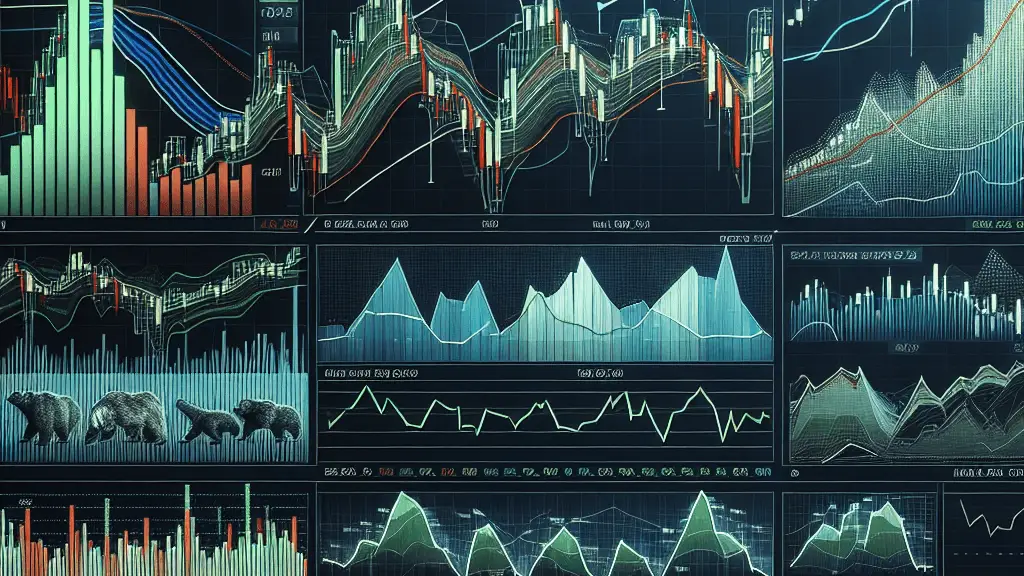
Using Technical Indicators for Trading Stocks
Thinking about investing in stocks? Technical indicators can help you make better trading choices. They look at past prices to predict future trends. This helps you know when to buy or sell shares. By using these indicators, you can base decisions on data instead of emotions. Let’s learn more about how these indicators function and how to use them smartly in stock trading. Understanding Technical Indicators Technical analysis involves using technical indicators to analyze price movements. Traders rely on indicators like moving averages or Fibonacci levels. These indicators help identify entry or exit points for trades. They also gauge momentum, volatility, support, and resistance levels. Understanding these signals is important for interpreting price trends accurately. Traders can make informed decisions when trading forex, shares, commodities, or indices. Oscillators like RSI or stochastic oscillators can show overbought or oversold conditions. Recognizing these signals helps anticipate trend reversals or confirm trends. Using indicators can enhance trading strategies and improve success in financial investments. Importance of Technical Indicators in Stock Trading Technical indicators are tools used in stock trading. They help analyze price movements and trends. Some common indicators are moving averages, Fibonacci retracement, and RSI. Traders make decisions based on historical data and indicators like MACD or stochastic oscillators. These tools help identify overbought/oversold conditions, support/resistance levels, and trend reversals. Having knowledge of different technical indicators is important. Each indicator works best in specific market conditions. For instance, RSI is good for trend strength, while Williams Percent Range is useful for identifying overbought/oversold conditions. Combining various indicators gives traders a full picture. This helps in trading stocks, indices, or commodities successfully on platforms like Thinkorswim. Types of Technical Indicators Moving Averages A moving average in technical analysis calculates an average price over a specific time period to smooth out price movements. This helps traders identify trends by reducing the impact of short-term price fluctuations, making it easier to spot the overall price trend. For example, when a short-term moving average crosses above a long-term moving average, it can signal a potential uptrend; the opposite may indicate a downtrend. By observing how price movements interact with different moving averages, traders can determine potential support and resistance levels, identify overbought or oversold conditions, and anticipate trend reversals. This tool is commonly used in financial markets like forex, shares, indices, and commodities to analyze price action and determine potential entry and exit points. Traders combine moving averages with other technical indicators like the relative strength index (RSI) or MACD to better gauge market momentum and make informed decisions when trading stocks. MACD (Moving Average Convergence Divergence) MACD is a technical indicator in stock trading. It helps analyze price movements and spot trend reversals. To calculate MACD, subtract the 26-day EMA from the 12-day EMA. Traders use MACD to see if a stock is overbought or oversold. When MACD goes above the signal line, it indicates a bullish trend. If it crosses below, it suggests a bearish trend. This crossover gives insights into future price movements. Combining MACD with RSI or Bollinger Bands informs traders in stocks, forex, indices, and commodities. It helps assess trend strength and find entry or exit points on platforms like Thinkorswim. Stochastic Oscillator A Stochastic Oscillator is used in stock trading. It helps determine momentum and strength of price movements. It compares a closing price to a price range over a specific period. This helps identify overbought or oversold conditions. Traders analyze price action to make decisions on buying or selling. They trade shares, indices, commodities, or forex. Common parameters include moving averages, resistance levels, and volatility. They help gauge potential price trends and reversals. The Stochastic Oscillator, along with indicators like MACD, RSI, and Bollinger Bands, is important for traders. It helps assess trend strength and find potential stocks for trading. In technical analysis, the Stochastic Oscillator gives insights into price movement. This guides traders in financial decisions. Relative Strength Index (RSI) The Relative Strength Index is a popular technical indicator in stock trading analysis. It helps identify price trends, momentum, and potential reversals. By comparing recent price movements, the RSI shows if a stock is overbought or oversold. This info is crucial for deciding entry and exit points. For instance, an RSI above 70 suggests overbought conditions, hinting at a price reversal. An RSI below 30 indicates oversold levels, signaling a potential buy opportunity. Understanding these RSI levels is vital for traders making informed decisions. It’s a key tool for navigating market volatility and making profitable trades. Bollinger Bands Bollinger Bands are easy to calculate. They use a moving average and two standard deviations above and below it. When trading stocks, Bollinger Bands show how volatile a security is. Traders look for potential price movements by watching when a stock’s price hits the upper or lower band. This signal overbought or oversold conditions. To make informed trading decisions, traders often combine Bollinger Bands with other technical indicators like the Relative Strength Index or Moving Average Convergence Divergence (MACD). This helps confirm signals. By studying how prices interact with the bands in different market conditions, traders can gauge the strength of a trend and identify possible reversal points. Fibonacci Retracement Fibonacci Retracement is a tool used in stock trading to find support and resistance levels. Traders use Fibonacci levels to pinpoint where a stock’s price might change direction. The Fibonacci sequence guides these levels. This sequence adds the previous two numbers to get the next one. Traders apply Fibonacci Retracement to study price trends, momentum, and market volatility. It helps them predict if a stock’s price will reverse or keep going up or down. By placing Fibonacci levels on a price chart, traders can spot areas where a stock may reverse direction. They often combine this tool with moving averages, MACD, RSI, and Bollinger Bands for better trade signals. Understanding Fibonacci Retracement helps traders analyze price moves and make smart decisions when trading stocks, indices, or commodities. Common Technical Indicators